

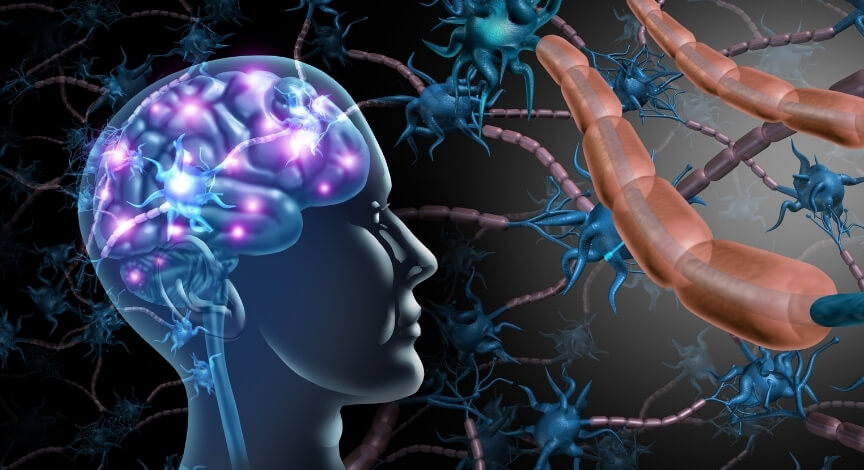
Most people think of migraine as just a severe headache, but vestibular migraine brain health is far more complex.
It can feel like rocking on a boat, spinning in a supermarket aisle, or losing your balance with simple head movements—and for many, it also brings brain fog, forgetfulness, and difficulty concentrating.
Emerging research shows that vestibular migraine brain health is closely linked to subtle changes in cognitive function, particularly when symptoms are frequent or long-standing.
While this doesn’t mean migraine causes dementia, it highlights an important truth: your brain and balance systems are deeply connected.
Why I’m Passionate About This
I’m David McCawley, a Senior Musculoskeletal Physiotherapist with a special interest in headaches, vestibular disorders, and neurological rehabilitation.
Over the years, I’ve worked with many people who were told their dizziness was “just stress” or that their memory lapses were “just getting older.”
What I’ve seen clinically is this: when we improve how the vestibular system functions, patients often report clearer thinking, better focus, and renewed confidence in daily life.
That lived experience, supported by growing scientific evidence, is why this topic matters so much.
What the Research Says
Vestibular migraine affects approximately 1% of the population and is one of the most common causes of recurrent vertigo in adults. Migraine overall affects around 12–15% of people worldwide, making it a significant neurological condition.
Several studies have identified subtle cognitive differences in people with migraine, particularly in areas such as attention, processing speed, and working memory.
Research published in journals such as Frontiers in Neurology and Cephalalgia has reported that individuals with chronic migraine may demonstrate small but measurable changes in executive function compared to controls.
Additionally, brain imaging studies show that migraine is associated with white matter changes and altered connectivity in regions responsible for sensory processing and cognition.
In vestibular disorders more broadly, research demonstrates that persistent dizziness increases cognitive load—meaning the brain must allocate extra resources simply to maintain orientation and balance.
When your brain is busy stabilising your world, it has fewer resources available for higher-level thinking tasks.
The Problem: Why This Matters
If vestibular migraine increases cognitive strain, even temporarily, the long-term impact can affect quality of life.
People may notice:
- Increased mental fatigue
- Difficulty multitasking
- Reduced confidence at work
- Withdrawal from social or physical activities
Avoidance behaviours can compound the issue. Reduced movement decreases vestibular stimulation, which in turn reduces the brain’s adaptability. Over time, this cycle may reinforce both dizziness and cognitive fatigue.
The key issue isn’t panic—it’s prevention and proactive management.
The Solution: How Physiotherapy Supports Brain Health
Vestibular physiotherapy is not simply “balance exercises.” It is targeted neuro-rehabilitation designed to improve how the brain processes movement and spatial information.
Evidence shows vestibular rehabilitation can:
- Reduce dizziness severity
- Improve postural control
- Enhance gaze stability
- Improve functional mobility
By improving the efficiency of the vestibular system, we reduce the brain’s compensatory workload. When balance becomes more automatic again, cognitive resources are freed for attention, memory, and complex thinking.
Treatment may include:
- Gaze stabilisation exercises
- Gradual motion exposure (habituation training)
- Balance retraining
- Cervical spine therapy
- Graded aerobic exercise to support neuroplasticity
Importantly, management works best within a collaborative framework—liaising with GPs, neurologists, and headache specialists where required.
Take Action Today
If you’re experiencing vestibular migraine and noticing brain fog or reduced mental sharpness, don’t ignore it—and don’t assume it’s “just stress.”
You can start with:
- Slow, controlled head turns while focusing on a fixed target
- Standing balance exercises in a safe environment
- Regular, moderate cardiovascular exercise
But the most effective step is seeking tailored guidance.
If you’d like support, book a vestibular physiotherapy session. Early intervention can reduce symptom severity, improve confidence, and help protect your long-term cognitive resilience.
Your brain is adaptable. With the right input, it can recalibrate, recover, and perform at its best.
If you’re experiencing dizziness, brain fog, or ongoing migraine symptoms affecting your vestibular migraine brain health, don’t ignore it.
Our team can provide tailored treatment to help restore balance, improve clarity, and support long-term brain function—call us on 1800 432 322 or book an appointment online today.
Written by: