


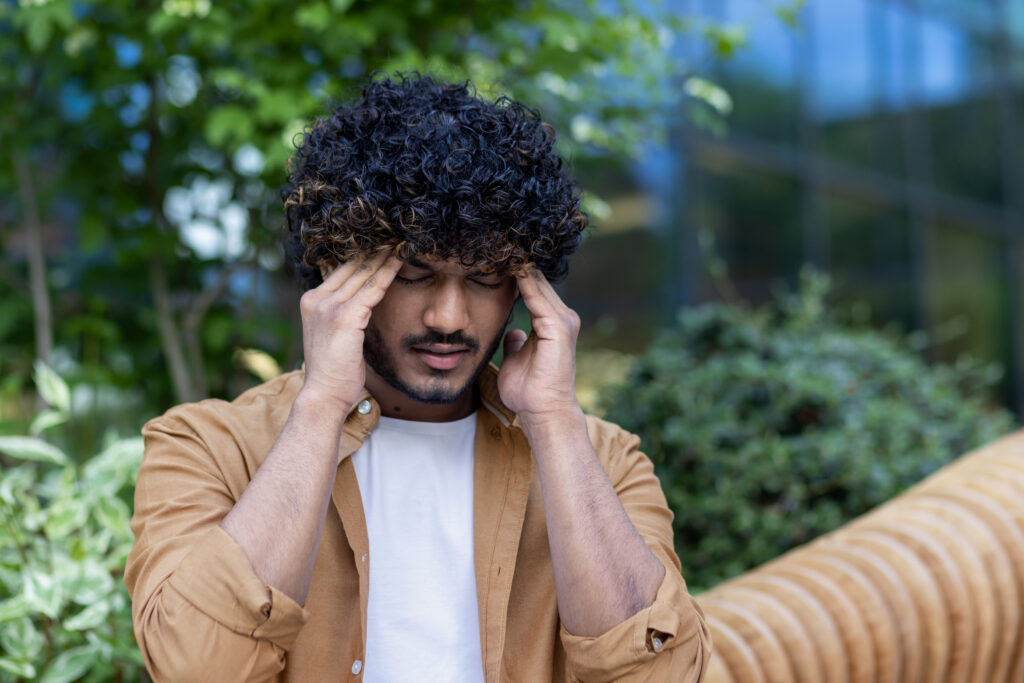
A dehydration headache is one of the most common reasons people experience head pain after hot weather, physical activity, illness, or alcohol consumption. While dehydration can certainly cause headaches, it is also one of the most over-attributed explanations for ongoing or recurring head pain.
At Gold Coast Headache and Migraine Clinic™, we frequently see people who have been told their headaches are caused by dehydration, only to discover that dehydration was a trigger rather than the true underlying cause.
Understanding what a dehydration headache actually is, what it feels like, how long it lasts, and when hydration alone is not the answer can help you make better decisions about your health.
What Is a Dehydration Headache?
A dehydration headache is classified as a secondary headache disorder, meaning the headache occurs as a result of another issue rather than being a primary headache condition itself. In this case, the underlying cause is dehydration.
When the body experiences insufficient fluid intake or excessive fluid loss, it can struggle to function properly. Dehydration affects blood volume, electrolyte balance, and blood pressure, all of which can contribute to headache pain.
Dehydration headaches can occur with mild dehydration, severe dehydration, or even relatively small changes in hydration status when combined with other stressors such as heat, fasting, illness, or alcohol.
Importantly, dehydration can also trigger or worsen existing headache disorders, including migraine headache, tension headache, and cluster headache. In these cases, dehydration is not the root cause, but a contributing factor.
What Does a Dehydration Headache Feel Like?
People often describe a dehydration headache as a dull ache rather than sharp or stabbing pain. The head pain is usually generalised and may affect the forehead, temples, or the entire head.
Common sensations include a persistent, pressing ache, a heavy feeling in the head, or discomfort that worsens with movement, bending forward, or physical activity. Some people describe associated neck and shoulder discomfort, sometimes referred to as a “coat hanger headache”.
Unlike migraine attacks, most dehydration headaches do not cause severe light sensitivity, visual disturbances, or intense nausea on their own. However, dehydration can make migraine headache symptoms worse in people who already experience migraines.
If the headache pain becomes severe, one-sided, pulsating, or is accompanied by neurological symptoms, dehydration alone is unlikely to be the explanation.
Other Symptoms of Dehydration That Often Occur With Headache
A dehydration headache rarely appears in isolation. Most people experience other dehydration symptoms either before or alongside head pain.
Common symptoms of dehydration include:
- Dry mouth or a sticky mouth feeling
- Extreme thirst
- Reduced urine output or dark-coloured urine
- Fatigue
- Dizziness
- Difficulty concentrating
- Other symptoms can include changes in skin elasticity, lightheadedness from low blood pressure, or an upset stomach.
With severe dehydration, symptoms may escalate to confusion, fainting, or rapid heartbeat. These severe symptoms require urgent medical attention.
Recognising other dehydration symptoms is important, as headache alone is not a reliable indicator of hydration status.
How Long Does a Dehydration Headache Last?
In most cases, dehydration headaches improve once lost fluids are replaced, and hydration levels begin to normalise. For mild dehydration, headache pain may ease within 30 minutes to a few hours after drinking fluids.
In more significant dehydration, recovery may take longer and may require oral rehydration solutions to restore electrolyte balance. In severe cases, intravenous fluid administered in a medical setting may be necessary.
If a headache persists for more than 24 hours despite adequate fluid intake, dehydration is unlikely to be the sole cause. Ongoing or recurring headaches after hydration often point toward another headache type or an underlying disorder.
What Causes Dehydration Headaches?
Dehydration headaches occur when the body loses more fluid than it takes in, or when fluid intake is insufficient for the body’s needs.
Common causes include hot weather and excessive sweating, physical activity without adequate water intake, alcohol consumption, vomiting or diarrhoea, illness, prolonged fasting, and excessive caffeine or energy drink consumption.
Alcohol increases fluid loss and can worsen dehydration, while sugary drinks and energy drinks may not effectively replenish lost fluids. Even mild dehydration can trigger headaches in people who are sensitive to changes in hydration.
Dehydration Headache vs Other Headache Types
Dehydration headaches are frequently confused with other headache types because dehydration can worsen head pain across many conditions. The key difference lies in why the headache occurs, how it behaves, and how it responds to hydration.
A dehydration headache is a secondary headache, meaning it develops as a direct consequence of fluid loss and changes in hydration status. When hydration is restored, symptoms usually improve within hours. If a headache persists despite adequate fluid intake, dehydration is unlikely to be the underlying cause.
By contrast, primary headache disorders such as tension headache, migraine headache, and cluster headache arise from altered pain processing within the nervous system. While dehydration may trigger or intensify these headaches, it does not cause them, and hydration alone will not resolve them.
Tension Headaches
Tension headaches are often mistaken for dehydration headaches because both can present as a dull, pressing sensation affecting both sides of the head. However, tension headaches are typically related to sustained muscle tension, posture, stress, or sensitisation of pain pathways rather than fluid loss. Unlike dehydration headaches, tension headaches may persist for days and do not reliably improve with drinking water alone.
Migraine Headaches
Migraine headaches differ more clearly. Migraine pain is often one-sided, throbbing, and may be accompanied by nausea, light sensitivity, sound sensitivity, or visual disturbances. Dehydration is a well-recognised migraine trigger, meaning it can provoke an attack in susceptible individuals. However, once a migraine attack has started, replacing fluids will not stop it. If headaches continue after hydration or follow a consistent migraine pattern, dehydration is acting as a trigger rather than the cause.
Cluster Headaches
Cluster headaches are not caused by dehydration. These headaches are characterised by severe, unilateral pain around the eye or temple, often with tearing, nasal congestion, or restlessness. While dehydration, alcohol consumption, or disrupted routines may worsen symptoms during a cluster period, hydration does not prevent or resolve cluster headache attacks.
A practical way to distinguish dehydration headaches from other headache types is the response to hydration. If head pain improves quickly once fluids are replaced and does not recur, dehydration is a likely contributor.
If headaches are frequent, severe, recurring, or associated with neurological or migraine features, dehydration is unlikely to be the underlying cause. In these cases, hydration may reduce symptom intensity but will not address why the headaches are occurring.
This distinction is important, as repeatedly attributing ongoing headaches to dehydration can delay appropriate assessment and treatment for the actual headache disorder involved.
How to Relieve a Dehydration Headache Safely
Relieving a dehydration headache focuses on restoring fluids gradually and safely.
Drinking water steadily throughout the day is more effective than consuming large amounts at once. In cases of significant fluid loss, oral rehydration or low-sugar electrolyte drinks may help restore balance more efficiently.
Avoid alcohol, sugary drinks, and energy drinks while recovering. Applying a cold compress or using cold water on the head or neck may help relieve headache pain temporarily.
Over-the-counter pain medication may provide short-term relief, but relying on pain medication without addressing hydration or underlying headache causes can increase the risk of medication overuse headaches.
How to Prevent Dehydration Headaches
Preventing dehydration headaches is largely about maintaining consistent fluid intake.
Drinking enough fluids throughout the day, increasing water intake during hot weather or exercise, and monitoring urine output can help maintain hydration status. Avoiding excessive alcohol and limiting energy drinks also reduces the risk of fluid loss.
The World Health Organization recommends oral rehydration solutions when significant fluid loss occurs due to illness, rather than relying on sugary or caffeinated beverages.
When a Headache Is Not Caused by Dehydration
If you continue to experience headaches despite drinking enough fluids, dehydration is unlikely to be the underlying cause. Headaches that return regularly, worsen over time, or occur alongside neck pain, migraine symptoms, or neurological changes often indicate another headache disorder.
Dehydration is frequently blamed because it is easy to identify, but persistent headaches usually require proper assessment to determine what is actually driving the symptoms.
When to Seek Professional Help
You should seek assessment from a healthcare professional if your headache persists despite adequate hydration, if severe symptoms develop, or if headaches interfere with daily life.
Urgent medical care is required if headaches are accompanied by confusion, fainting, severe weakness, or other concerning neurological symptoms.
How Gold Coast Headache and Migraine Clinic™ Can Help
If your headache is genuinely caused by dehydration, improving hydration usually resolves symptoms quickly. When it does not, continuing to focus on fluid intake alone can delay proper diagnosis and care.
At Gold Coast Headache and Migraine Clinic™, we focus on identifying the underlying cause of headaches rather than masking symptoms. If dehydration is ruled out, we assess for migraine disorders, tension-type headaches, cervicogenic contributors, and other secondary headache disorders using an evidence-based clinical approach.
If your headaches are not improving with hydration, we are here to help you find the real cause and work toward lasting relief.
References
Sawka, M.N. et al. (2007) ‘American College of Sports Medicine position stand: Exercise and fluid replacement’, Medicine & Science in Sports & Exercise, 39(2), pp. 377–390. doi:10.1249/mss.0b013e31802ca597.
Popkin, B.M., D’Anci, K.E. and Rosenberg, I.H. (2010) ‘Water, hydration, and health’, Nutrition Reviews, 68(8), pp. 439–458. doi:10.1111/j.1753-4887.2010.00304.x.
Adan, A. (2012) ‘Cognitive performance and dehydration’, Journal of the American College of Nutrition, 31(2), pp. 71–78. doi:10.1080/07315724.2012.10720011.
Headache Classification Committee of the International Headache Society (IHS) (2018) ‘The International Classification of Headache Disorders, 3rd edition (ICHD-3)’, Cephalalgia, 38(1), pp. 1–211. doi:10.1177/0333102417738202.
Maughan, R.J. and Shirreffs, S.M. (2010) ‘Dehydration and rehydration in competitive sport’, Scandinavian Journal of Medicine & Science in Sports, 20(Suppl 3), pp. 40–47. doi:10.1111/j.1600-0838.2010.01207.x.
Watson, D.H. and Drummond, P.D. (2012) ‘Head pain referral during examination of the neck in migraine and tension-type headache’, Headache, 52(8), pp. 1226–1235. doi:10.1111/j.1526-4610.2012.02191.x.
Written by: