

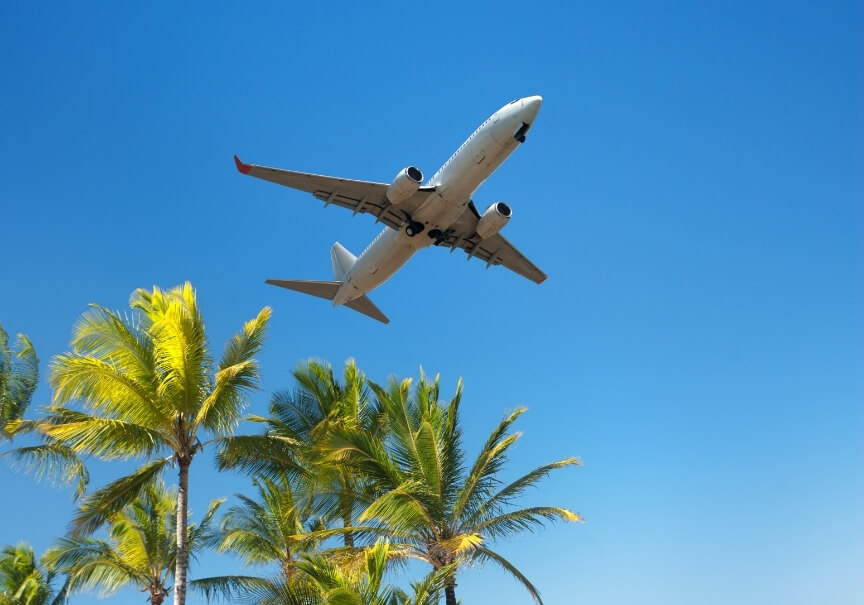
If you’ve ever stepped off a plane with a dull ache behind your eyes, pressure in your head, or a full-blown headache, you’re not imagining it.
Travel-related headaches are very common, especially in people who already experience migraines or recurring headaches.
With more Australians flying regularly for work, FIFO roles, or holidays, understanding why flying can trigger headaches and how to reduce the risk can make a big difference to your comfort, productivity, and enjoyment of travel.
What causes headaches when you fly?
Flying places your body in a very different environment to what it’s used to, and several headache triggers often occur at the same time.
Key contributors include:
- Cabin pressure changes:
Even though aircraft cabins are pressurised, pressure still drops compared to ground level. This can irritate pain-sensitive structures in the head and face, especially around the sinuses and skull. - Dehydration:
Cabin air is very dry. Fluid loss happens faster than many people realise, and dehydration is a well-known headache trigger. - Neck and posture strain:
Prolonged sitting, limited movement, and poorly supported head and neck positions can overload the cervical spine and surrounding muscles. - Sleep disruption and stress:
Early starts, jet lag, travel anxiety, and busy airports all reduce your nervous system’s ability to cope with stress, lowering your headache threshold.
For people with a history of headaches or migraines, these factors can “stack up” and tip the system into pain.
How can flight-related headaches be managed or improved?
The good news is that most flying-related headaches are preventable. Management is about reducing triggers before they escalate, rather than waiting until pain sets in.
A combined approach works best:
- Support the neck and upper back to reduce strain on headache-sensitive structures.
- Maintain hydration and blood sugar levels to avoid common physiological triggers.
- Calm the nervous system through breathing and movement, particularly during long flights.
- Address underlying neck or headache patterns, especially if flying reliably causes flare-ups.
If headaches occur every time you fly, it’s often a sign that your system is already sensitive. Addressing neck mobility, posture tolerance, and headache triggers outside of travel can significantly reduce symptoms during flights.
Practical tips to reduce headaches when flying
Here are simple, evidence-informed strategies many patients find helpful:
Before your flight
- Drink water consistently the day before travel
- Avoid skipping meals
- Perform gentle neck and upper back movements
- Aim for adequate sleep where possible
During the flight
- Sip water regularly (even on short flights)
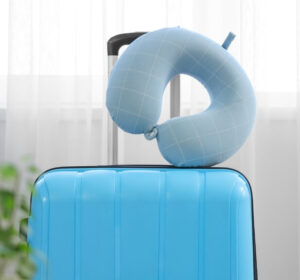
- Use a supportive neck pillow that keeps your head neutral
- Avoid prolonged slumped or twisted positions
- Gently move your neck and shoulders every 30–60 minutes
- Try slow nasal breathing to help regulate pressure and calm the nervous system
After landing
- Go for a short walk to restore circulation and spinal movement
- Continue hydration
- Act early if you feel warning signs—don’t wait for the headache to fully develop
If you notice headaches are worse after long-haul flights, early mornings, or repeated trips, a personalised plan can make a significant difference.
Final thoughts & next steps
Flying doesn’t have to mean accepting headaches as “part of the deal.” With the right preparation and strategies, most people can reduce or even prevent travel-related headaches altogether.
If flying regularly triggers your headaches, or if travel seems to set off longer headache cycles, a targeted assessment can help identify your specific drivers and create a practical, travel-friendly plan.
If you’re ready to take control of your migraines, book an appointment at Gold Coast Headache and Migraine Clinic or call us on 1800 432 322—we’re here to help you move freely and live without migraine.
Written by: