

A Sinus Headache May Not Always Be Coming From Your Sinuses
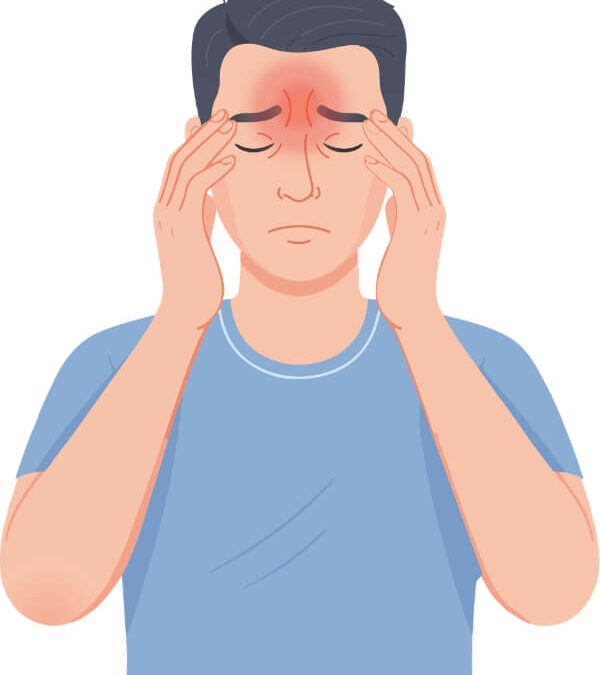
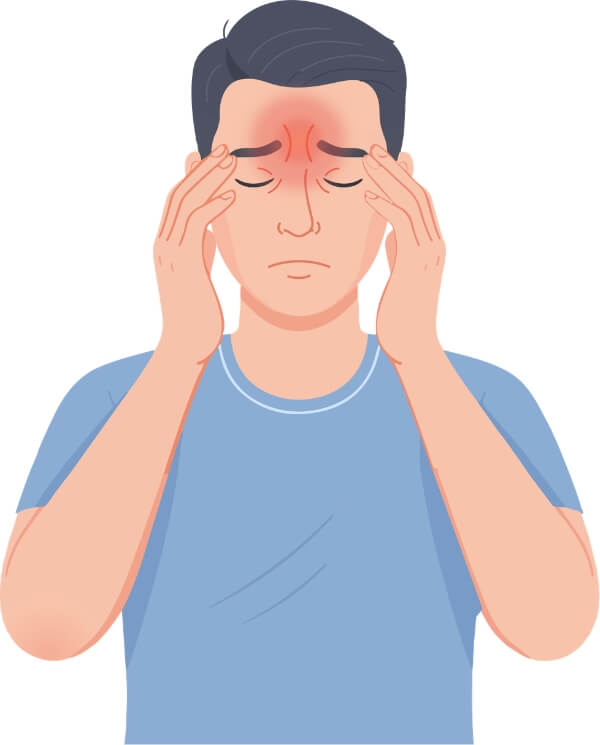
A blocked nose, pressure across your forehead and aching around your eyes can make it feel obvious that your sinuses are responsible.
But the location of pain does not always tell us where it is coming from.
What feels like a sinus headache can sometimes be migraine or another type of headache producing symptoms in the same area.
In fact, Headache Australia explains that migraine is frequently mistaken for sinus headache because migraine can cause facial pain, pressure and nasal symptoms that closely resemble sinus problems.
Understanding that overlap can be an important first step towards finding the right explanation for recurring symptoms.
Why I’m Talking About Sinus Headache
David McCawley is a Senior Physiotherapist with more than 10 years of experience working with people experiencing headache and musculoskeletal presentations.
One important part of headache assessment is looking beyond where the pain is felt.
Someone experiencing pressure around the forehead, eyes or cheeks may understandably assume they have a sinus headache, but symptoms in those areas can have several possible explanations.
The overall pattern often tells us more than the location alone.
What Is a Sinus Headache?
A true sinus headache occurs when headache or facial pain is associated with inflammation or infection involving the sinuses.
The medical term for inflammation of the nasal passages and sinuses is rhinosinusitis.
According to Healthdirect Australia, sinusitis commonly causes symptoms such as:
- a blocked or runny nose
- changes in smell
- facial pain or pressure
- pressure that may become worse when bending forward
- discomfort that can extend into the teeth.
The International Classification of Headache Disorders also requires evidence of acute rhinosinusitis and a clear relationship between the sinus condition and headache before the headache is attributed to the sinuses.
This means facial pressure alone does not necessarily confirm a sinus headache.
Why Can Migraine Feel Like a Sinus Headache?
Migraine can produce symptoms in many of the same areas.
Migraine can therefore cause:
- pressure around the forehead
- pain around or behind the eyes
- facial discomfort
- nasal congestion
- a runny nose
- sensitivity to light
- sensitivity to sound
- nausea
- throbbing or pressure-like head pain.
This overlap is one reason a presumed sinus headache can be difficult to identify correctly.
Your nose may genuinely feel blocked and your face may genuinely hurt even when sinus infection is not the main problem.
How Can Migraine Cause Nasal and Sinus-Like Symptoms?
The nerves involved in migraine also communicate with structures around the face, eyes and nasal passages.
During a migraine attack, activation of these pathways can produce what are called cranial autonomic symptoms.
These can include nasal congestion, a runny nose, watery eyes, facial sweating and eye redness.
This helps explain why someone can experience a very convincing sinus headache without having a sinus infection.
The symptoms are real.
The underlying mechanism may simply be different from what the person initially assumed.
How Common Is It to Mistake Migraine for a Sinus Headache?
It appears to be very common.
Australian information points in the same direction.
These figures do not mean every sinus headache is migraine.
They demonstrate how easily the two conditions can be confused when diagnosis is based mainly on facial pressure or pain location.
What Symptoms Suggest Your Sinus Headache Could Be Migraine?
The complete symptom pattern matters.
A presumed sinus headache may deserve further consideration if you regularly experience:
- sensitivity to light
- sensitivity to sound
- sensitivity to smells
- nausea or vomiting
- throbbing or pulsating head pain
- recurring attacks
- facial pressure without clear infection
Headache Australia notes that migraine commonly causes pain around the forehead, eyes and face together with nasal symptoms, which is why migraine can look surprisingly similar to sinus disease.
One symptom on its own does not establish a diagnosis.
The combination and recurring pattern are more informative.
What Makes a Genuine Sinus Headache More Likely?
There are also features that make sinusitis more likely.
A genuine sinus headache may therefore occur alongside:
- persistent nasal blockage
- thick or discoloured nasal discharge
- reduced sense of smell
- fever
- facial pain or tenderness
Another clue is whether the headache changes together with the sinus condition.
The International Headache Society criteria state that headache attributed to acute rhinosinusitis should develop in relation to the sinus condition and improve as the rhinosinusitis improves.
That relationship is much more useful than simply asking where the pain is located.
Why Pain Around the Eyes Does Not Automatically Mean Sinus Headache
Pain behind or around the eyes often makes people think immediately of their sinuses.
But migraine can also occur in these areas.
This happens partly because sensory information from the face, head and surrounding structures travels through interconnected nerve pathways.
As a result, the brain may interpret migraine-related activity as pain or pressure in areas that feel like the sinuses.
This is why the location of a sinus headache cannot tell us the diagnosis by itself.
Can Your Neck or Jaw Contribute to Facial Pressure?
In some people, the neck, jaw and surrounding musculoskeletal structures may also be relevant to their headache pattern.
Pain can sometimes be experienced away from the structure contributing to it, which is known as referred pain.
That does not mean every sinus headache comes from the neck or jaw.
Just as facial pain should not automatically be labelled as sinus disease, it should not automatically be labelled as neck-related either.
The important point is to assess the whole presentation rather than choosing a diagnosis simply because of where the discomfort is felt.
Why Does Correctly Identifying a Sinus Headache Matter?
Different causes of facial pain require different approaches.
If migraine is repeatedly treated only as a sinus problem, someone may continue using sinus-focused medication or strategies while the migraine itself remains unrecognised.
On the other hand, genuine sinusitis should not be dismissed as migraine.
The International Headache Society specifically notes that migraine and tension-type headache can be mistaken for headache caused by rhinosinusitis because of their similar pain location and, in migraine, the presence of nasal symptoms.
Working out whether a recurring sinus headache is actually sinus-related can therefore change the management pathway.
What if Sinus Treatment Helps Your Headache?
Improvement after sinus treatment does not always prove that the sinuses caused the headache.
Migraine symptoms naturally change throughout an attack, and several sinus and migraine symptoms overlap.
Instead of judging one episode, consider the recurring pattern.
Ask yourself:
- Does the headache occur without infection?
- Do light and sound bother me?
- Do I feel nauseous?
- Is there thick nasal discharge or fever?
- Do symptoms happen repeatedly?
- Does my facial pressure occur alongside other migraine symptoms?
- Does sinus treatment consistently resolve the entire episode?
These details can help determine whether your recurring sinus headache deserves a broader assessment.
Could a Headache Diary Help With Sinus Headache?
Yes.
When symptoms overlap, a simple headache diary can make patterns easier to identify.
Record:
- where the pressure or pain occurs
- whether your nose is blocked or runny
- whether nasal discharge is present
- sensitivity to light, sound or smell
- nausea
- sleep
- stress
- possible triggers
This gives your GP or headache clinician more information than simply saying, “I keep getting a sinus headache.”
It may reveal that attacks consistently occur with migraine features, sinus symptoms or another recognisable pattern.
When Should a Sinus Headache Be Medically Assessed?
Recurring facial pressure or headache should be assessed when the cause remains unclear or symptoms are interfering with everyday life.
A GP can help determine whether symptoms suggest sinus disease, migraine or another cause and whether additional investigation is required.
You should also seek medical assessment if you have persistent symptoms suggesting sinus infection.
A sudden severe headache or a significant change from your usual headache pattern requires more urgent attention.
This is particularly important if the headache occurs with new neurological symptoms such as weakness, difficulty speaking, seizures or significant changes in vision.
A new or unusual headache should not simply be assumed to be another sinus headache.
A Sinus Headache Is Not Always About the Sinuses
Facial pressure is real, but where you feel pain does not necessarily reveal where it originates.
Migraine can cause pressure around the forehead, nose and eyes as well as nasal congestion and a runny nose. Genuine sinusitis can also cause many of these symptoms.
The difference lies in the overall pattern.
If your sinus headache repeatedly returns without clear signs of infection, particularly when it occurs alongside nausea or sensitivity to light, sound or smell, migraine may be worth considering.
Understanding that distinction can help move the focus away from repeatedly treating the location of pain and towards identifying what is actually driving the symptoms.
Sometimes the key to understanding a sinus headache is recognising that the sinuses may not be the whole story.
Take the Next Step
If a recurring sinus headache, facial pressure or pain around the eyes is affecting your everyday life and you are unsure whether your sinuses are actually responsible, an individual assessment can help clarify the pattern and determine whether further medical assessment is appropriate.
Keeping a headache diary before your appointment may also help identify associated symptoms and recurring patterns.
Book a session with one of our physiotherapists online or call 1800 432 322 to find more out.
Written by: